Anion Gap Calculator for Evaluating Salicylate Poisoning
What the Anion Gap Means in Salicylate Poisoning
The anion gap is a helpful clue in the evaluation of salicylate poisoning, but it should never be treated as a single diagnosis. In toxicology, the gap helps reveal hidden acids in the blood and supports the broader acid-base balance assessment. Because aspirin exposure can produce more than one disturbance at the same time, the anion gap is often part of a larger laboratory interpretation rather than a single decisive number.
Classic aspirin toxicity often creates a mixed acid-base disorder. Initially, salicylates stimulate the respiratory center, leading to respiratory alkalosis through compensatory hyperventilation. As toxicity progresses, organic acids and impaired metabolism contribute to metabolic acidosis. The result is a pattern that can look confusing if you focus only on one value. The anion gap becomes a diagnostic clue that helps connect the serum chemistry findings to the underlying toxicology evaluation.
Salicylates interfere with cellular metabolism and can disrupt oxidative phosphorylation, which promotes the accumulation of organic acids. These metabolic derangements lower buffering capacity and may increase the anion gap. At the same time, patients may present with tachypnea, nausea, vomiting, altered mental status, or other signs of systemic toxicity. In this setting, the anion gap supports clinical correlation rather than replacing it.
A normal or only mildly elevated anion gap does not exclude salicylate poisoning, especially when the acid-base pattern is evolving.
How to Apply an Anion Gap Calculator
An anion gap calculator is a handy tool for fast laboratory assessment during emergency assessment and poisoning workup. The standard calculation usually uses serum sodium, serum chloride, and serum bicarbonate. In its common form, the formula is:
Anion gap = serum sodium - (serum chloride + serum bicarbonate)
Using the calculator begins with reliable serum chemistry values. Initially, enter the sodium concentration. Next, add the chloride and bicarbonate concentrations. Subtract that sum from sodium to obtain the gap. This simple anion gap calculation can quickly identify whether there is an unexpected accumulation of unmeasured anions.
In suspected salicylate poisoning, the calculator should be used adjusted anion gap calculator as part of a larger diagnostic workflow. Look at the numerical value, but also consider the patient's symptoms, respiratory rate, mental status, and other evidence of electrolyte abnormalities. A elevated number may support systemic toxicity, while a borderline result may still be clinically important if the full picture suggests aspirin exposure.
It is also important to compare the calculated result with the laboratory’s reference range if one is provided. Different institutions may use slightly different methods or reference values, which affects laboratory interpretation. The goal is not simply to identify an abnormal number, but to use that number to guide toxicology evaluation and further testing.
Classic Lab Patterns in Aspirin Toxicity
Aspirin toxicity is known for its blended and sometimes evolving lab profile. A common early pattern is respiratory alkalosis with a falling or falling bicarbonate, followed by metabolic acidosis as salicylate burden builds. This is why an arterial blood gas is often helpful. The arterial blood gas offers direct information about pH, carbon dioxide, and bicarbonate status, which helps confirm the presence of a combined acid-base disturbance.
Patients with salicylate poisoning may show a low carbon dioxide level because of hyperventilation. At the same time as this, the bicarbonate may be reduced due to the metabolic component. The anion gap may widen as acids accumulate. This creates a diagnostic challenge: a patient can have near-normal pH if respiratory alkalosis and metabolic acidosis offset each other. That is one reason clinicians should not rely on pH alone when evaluating a possible toxic ingestion.
Lactate may also be increased in aspirin toxicity. However, elevated lactate does not completely explain the disturbance by itself. Salicylates can disrupt energy production and drive acid generation beyond simple tissue hypoperfusion. Therefore, lactate is a useful part of the poisoning workup, but it should be interpreted alongside the anion gap, arterial blood gas, and the rest of the clinical data.
Another key pattern is that the severity of symptoms does not necessarily match the first available lab values. Early testing may fail to capture the full metabolic derangement. Repeat assessment is often required because the toxicology evaluation can progress swiftly. A patient may advance from a relatively subtle pattern to severe systemic toxicity over a short time.
Corrected anion gap and Albumin Adjustment
Albumin is the primary undetected anion in the blood, so reduced albumin can make the anion gap value seem deceptively normal. This is especially relevant in hypoalbuminemia, where the standard gap may understate the true burden of unmeasured acids. For that reason, a corrected anion gap is often more reliable when acid-base interpretation matters clinically.
In suspected salicylate poisoning, albumin adjustment helps avoid missing a hidden high-gap state. If albumin is reduced, the measured anion gap should be corrected before concluding that the serum chemistry is reassuring. This step improves diagnostic accuracy and minimizes the chance of false reassurance in a patient with possible toxic ingestion.
Corrected values are particularly useful when other findings point toward poisoning despite a slightly abnormal number. For example, a patient may have tachypnea, nausea, ringing in the ears, and an arterial blood gas suggesting mixed acid-base disorder, yet the initial gap is only mildly elevated. In that setting, albumin correction can reveal a more meaningful abnormality and clarify acid-base interpretation.
Albumin adjustment is not only about mathematics. It is about correlating the laboratory pattern to the patient's physiologic state. In clinical practice, the corrected anion gap helps integrate acid-base balance, serum chemistry, and toxicology evaluation so the clinician can detect systemic toxicity earlier.
When a Elevated Anion Gap Triggers Concern
A high anion gap in the right clinical context should signal a significant underlying problem. In salicylate poisoning, this may reflect accumulated organic acids and altered metabolism. However, the differential diagnosis is broad, and the gap should call for a systematic evaluation rather than an assumption of a single cause.
Other common explanations include ketosis from diabetes, fasting, or alcohol-related situations, and renal failure, where acid clearance is impaired. A toxic exposure can also produce a high gap, including salicylates, methanol, ethylene glycol, or other agents. This is why the anion gap calculator is best used as a screening and triage tool within a larger diagnostic workflow.
When the gap is high, ask whether the pattern aligns with the story. Does the patient have respiratory alkalosis and metabolic acidosis together? Are there symptoms that indicate aspirin exposure? Is there evidence of dehydration, reduced kidney function, or glucose abnormalities that might suggest another explanation? These questions support clinical correlation and prevent misinterpretation.
The anion gap also matters because a rising value can signal increasing metabolic derangement. Even if the patient initially appears stable, an increasing gap along with worsening symptoms may indicate advancing systemic toxicity. In that setting, repeat testing and rapid toxicology evaluation become even more important.
Medical Follow-up Steps Once You Calculate the Gap
After calculating the gap, the next step is to relate the result to the broader poisoning workup. If salicylate poisoning is suspected, obtain a salicylate level as soon as possible. This is important because the anion gap alone cannot quantify exposure or severity. A level helps confirm the diagnosis, track trends, and direct treatment decisions.
Assess the full set of electrolytes, including sodium, chloride, bicarbonate, potassium, and any other available serum chemistry markers. Electrolyte abnormalities are common in toxic states and can affect acid-base balance. If the patient is clinically concerning, a repeat blood gas and repeat chemistry panel may be needed to track progression.
Repeat testing is particularly helpful when the presentation is early or unclear. Salicylate concentrations may rise after the initial sample if absorption continues, especially with enteric-coated products or delayed gastric emptying. The acid-base disorder may also evolve, shifting from mixed respiratory alkalosis and metabolic acidosis toward more severe acidemia.
Call poison control early when aspirin toxicity is possible. Expert guidance can help interpret the laboratory pattern, advise on follow-up testing, and support management decisions. Poison control is especially useful when the case interpretation is complicated by coexisting disease, uncertain timing, or ambiguous lab results.
At this stage, the key is synthesis. The anion gap calculator provides one data point, but toxicology evaluation depends on the whole picture: symptoms, lab trends, salicylate level, arterial blood gas findings, and the clinical course.
Constraints of the Anion Gap in Salicylate Poisoning
This anion gap has clear usefulness, but it also has significant limits. A typical anion gap does never eliminate salicylate poisoning, especially in the early stage of poisoning or in patients with low albumin or mixed disorders that mask the expected finding. This is one of the most critical reasons not to rely on the calculator alone.
False reassurance can happen when providers look for a significant gap increase and ignore concerning symptoms. In early stages, alkalosis from breathing too much may be most prominent, and the acid-base component may not yet be completely evident. A patient can thus look toxic while the gap remains within normal limits or near normal. That is why the result must be interpreted with clinical judgment rather than used as a test for exclusion.
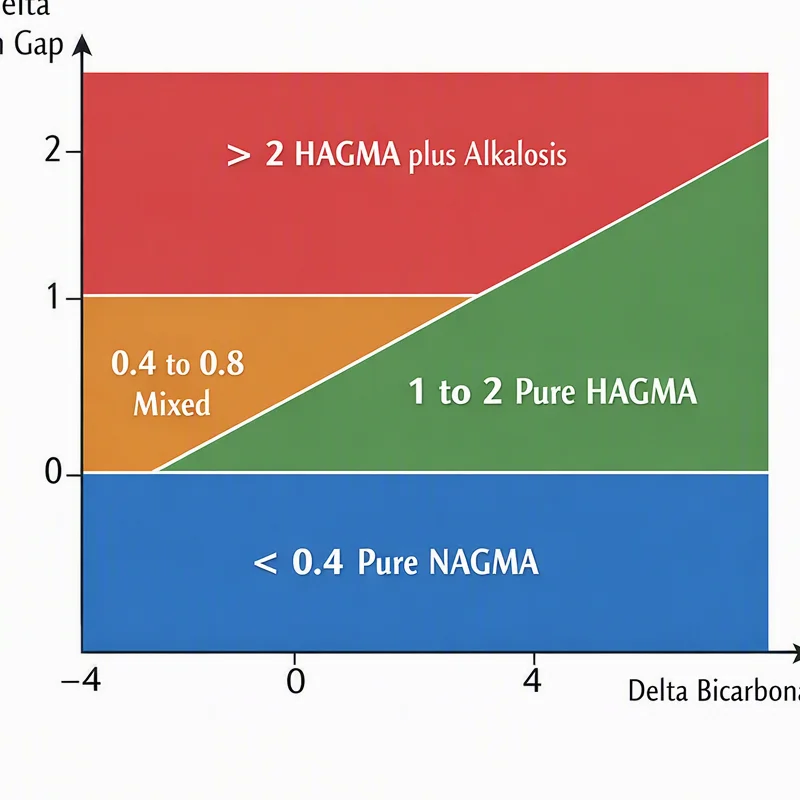
Another limitation is that acid-base assessment can be influenced by an accompanying illness. Renal failure may alter baseline chemistry. Ketosis can on its own elevate the gap. Other metabolic derangements can mask the typical pattern of aspirin toxicity. In these situations, the gap remains helpful, but only as part of a more comprehensive toxicology evaluation.
The best use of the anion gap is as a diagnostic clue. It helps detect hidden acids, supports the recognition of mixed acid-base disorders, and prompts further evaluation. But it is not definitive. Good clinical judgment remains essential, especially when the presentation points to systemic toxicity but the numbers are not clear-cut.
FAQ About Anion Gap and Salicylate Toxicity
How does anion gap calculator help in salicylate poisoning?
An anion gap calculator assists by quickly revealing whether there is an unclear increase in undetected acids, which can raise suspicion for salicylate poisoning. It is especially useful when used with serum chemistry, an arterial blood gas, and the clinical picture. In toxicology, it serves as an first diagnostic clue rather than a final answer.
Can salicylate poisoning occur with a normal anion gap?
Certainly. A normal anion gap result can be seen in the early stages of poisoning, in mixed acid-base disorder, or when reduced albumin masks the change. For this reason a normal finding should not create a false sense of security. If the history or presentation suggest aspirin poisoning, more testing and clinical assessment are still needed.
Why do patients with aspirin toxicity often have both respiratory alkalosis and metabolic acidosis?
Salicylates increase breathing, leading to alkalosis from hyperventilation, while also impairing metabolism and generating organic acids, which causes metabolic acidosis. This pattern creates a mixed acid-base disorder that can be seen on the arterial blood gas and in the anion gap. The pattern is a hallmark of toxicology evaluation for salicylate exposure.
Should the anion gap be corrected for albumin in suspected poisoning?
Absolutely, especially if albumin is low. Albumin contributes to the unmeasured anions in blood, so hypoalbuminemia can hide a meaningful gap elevation. A corrected anion gap improves acid-base interpretation and reduces the chance of missing toxic ingestion.
What labs should be checked after finding a high anion gap in suspected salicylate toxicity?
Obtain a salicylate level, complete electrolytes, bicarbonate, kidney function, lactate, and an arterial blood gas. Repeat testing may be needed because the pattern can change over time. If the case is concerning, contact poison control and continue the poisoning workup with careful clinical anion gap clinical significance judgment.