What Is Relationship Between Anion Gap and Sodium?
What Is the Anion Gap?
The anion gap is a useful blood chemistry measurement designed to assess the balance between positive and negative electrolytes. It is not a literal measurement of a single substance; instead, it is a calculated value that assists clinicians analyze an acid-base problem, especially when the body shows signs of metabolic acidosis.
In simple terms, the anion gap represents the variance between the primary measured cations and anions in the blood. The usual components are sodium, chloride, and bicarbonate. Because the body strives to maintain electrical neutrality, any change in these measured values can point to an underlying imbalance or unseen acid.
This is why the anion gap is useful in screening and diagnostic evaluation. It does not reveal the whole story by itself, but it can help identify whether an abnormal result is likely due to an acid-base disorder, an electrolyte imbalance, or another metabolic state that needs more care.
How the Anion Gap Formula Uses Sodium
An anion gap calculator typically relies on a standard formula based on sodium, chloride, and bicarbonate. The most common version is:
Anion gap = sodium - (chloride + bicarbonate)
Some labs include potassium in the formula, but the sodium-based version is the preferred one. In this calculation, sodium is the chief measured cation, while chloride and bicarbonate are the primary measured anions. The result helps estimate the amount of unmeasured ions in the blood.
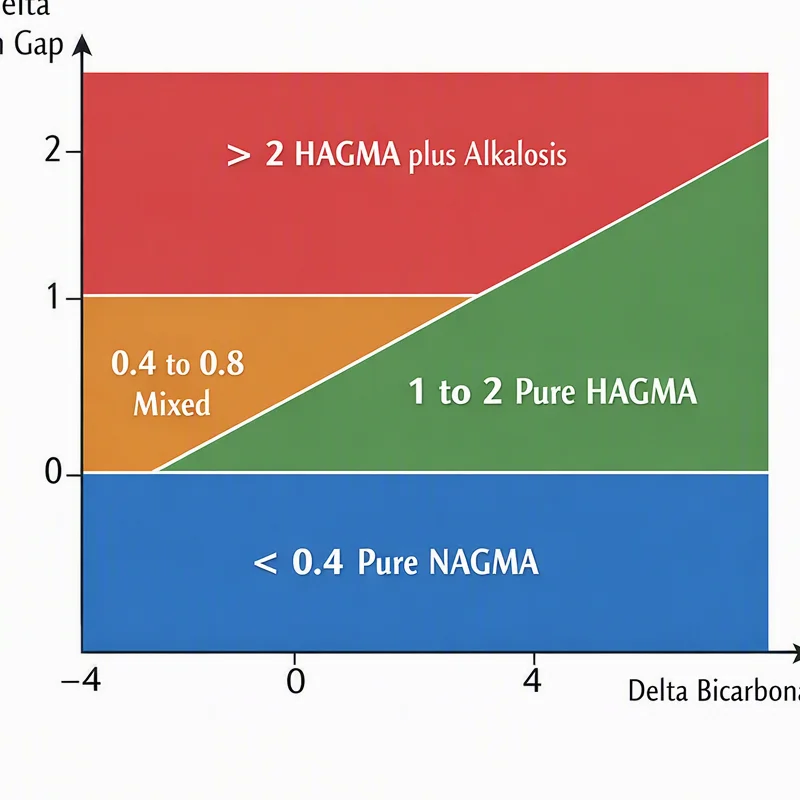
Sodium matters because it is the biggest contributor on the left side of the formula. Even so, sodium is usually interpreted along with the rest of the electrolyte panel rather than alone. A normal sodium value does not automatically mean the anion gap is normal, and a sodium abnormality does not always create a large change in the calculation.
The real value of the formula is in interpretation. If sodium, chloride, and bicarbonate move in certain patterns, the calculation can reveal clues about acid-base balance, blood chemistry changes, and the presence of hidden acids such as lactate or ketones.
Why Sodium Shifts Can Affect the Anion Gap
Variations in serum sodium can alter the anion gap, but the effect is determined by the broader pattern in the lab values. In hyponatremia, sodium is lower than expected, which can lower the calculated gap if chloride and bicarbonate do not change in parallel. In hypernatremia, sodium is higher than expected, which can increase the calculated value if the other components remain stable.
Still, sodium does not operate in isolation. The anion gap is a relative comparison of measured ions, so the interpretation depends on the overall measurement context. A patient with low sodium may nevertheless have a high anion gap if bicarbonate drops markedly because of an underlying acid load. Likewise, a patient with high sodium may still have a normal anion gap if chloride and bicarbonate shift in a compensatory way.
This is why clinicians look at the whole lab values pattern. A sodium change can influence the calculation, but the clinical significance comes from the larger blood chemistry picture rather than from sodium alone.
Adjusted Anion Gap & Albumin Correction
Albumin is among the of the main unmeasured anions in the blood. It is also a major binding proteins factor in circulation, so low albumin can make the anion gap appear smaller than it really is. This is why the corrected anion gap becomes helpful.
In hypoalbuminemia, the body has fewer negatively charged albumin in circulation. Because the anion gap depends on maintaining electrical neutrality, the calculated value may decrease even when there is a clinically important acid-base issue present. Correcting for albumin helps reveal whether the apparent normal or low result is hiding a true abnormality.
Albumin adjustment matters more than many people realize. A patient can have a normal-looking anion gap on paper, yet still have a hidden high gap once the calculation is adjusted. This is especially important in diagnostic workups where the goal is to determine the patient’s actual acid-base status rather than just accept the raw number at face value.
For that reason, the corrected anion gap is often treated as part of a thoughtful interpretation, particularly when albumin is low or when the clinical picture does not fit the lab result. It gives a clearer view of whether the blood is showing a real acid-base imbalance.
Explaining a High, Normal, or Low Anion Gap
Knowing whether the result is high anion gap, normal anion gap, or low anion gap is essential to interpretation. Each result pattern suggests different causes, and the reference range provided by the lab is essential for comparison.
A high anion gap often points toward metabolic acidosis caused by unmeasured acids in the blood. Frequent causes include lactic acidosis, diabetic ketoacidosis, and renal failure. In these cases, bicarbonate is consumed as the body tries to buffer excess acid, which expands the gap.
A normal anion gap does not exclude disease. It may be seen in some forms of metabolic acidosis where bicarbonate loss is offset by chloride rise, creating a balanced calculation even though the patient still has an acid-base disorder. This is why a normal result must still be interpreted in the context of symptoms and other lab findings.
A low anion gap is less common and can occur with hypoalbuminemia, lab error, or unusual changes in measured ions. It may also reflect analytical issues or shifts in blood chemistry that reduce the apparent difference between cations and anions. A low result should never be dismissed automatically; it deserves careful review of the full electrolyte panel and measurement conditions.
In all three cases, the number is a clue rather than a final answer. The diagnosis depends on the broader clinical picture, including the patient’s acid-base balance, serum levels, and other markers of metabolic state.
Common Medical Scenarios In Which Serum Sodium and Anion Gap Change Together
anion gap clinical significanceSome clinical situations help clarify the relationship between sodium and anion gap easier to see. A common example is dehydration. As body water is lost, sodium may become concentrated, and the overall lab pattern can change. Depending on the severity and accompanying electrolyte changes, the anion gap may rise, hold steady, or seem different because of concurrent changes in chloride and bicarbonate.
Renal failure is another important scenario. When the kidneys cannot remove acids effectively, unmeasured acids accumulate and the anion gap can increase. Sodium may also be abnormal in renal dysfunction, but the anion gap elevation is usually driven more by acid retention than by sodium alone.
Lactic acidosis is a typical cause of high anion gap metabolic acidosis. When tissue oxygen delivery is impaired or metabolism shifts, lactate rises, bicarbonate falls, and the gap widens. Sodium may be normal, low, or high depending on fluid status, but it is not the main driver of the abnormality.
Diabetic ketoacidosis also often produces a high anion gap. Ketone accumulation consumes bicarbonate and creates a clear acid-base disturbance. Sodium can appear lower than expected in this setting because of osmotic effects and fluid shifts, which is why the overall interpretation must consider the electrolyte panel as a whole.
These examples show a key principle: sodium and the anion gap may move together in some metabolic states, but the relationship is indirect. Most often, the sodium change reflects the patient’s fluid and metabolic state, while the gap reflects the presence of unmeasured acid.
How to Use an Anion Gap Calculator Correctly
Using an anion gap calculator accurately begins with the correct data. The calculator should be based on a current electrolyte panel that contains sodium, chloride, and serum bicarbonate. If the values come from different time points, the calculation may not represent the patient’s actual state.
For meaningful results, consider the exact lab panel and the units used. Small differences in measurement technique or reference method can influence interpretation. The calculator is valuable for fast screening, but the result should always be compared with the lab reference range and the patient’s clinical picture.
Good interpretation also means considering more than the number itself. Ask whether albumin is low, whether the patient has evidence of metabolic acidosis, and whether the acid-base pattern fits the story. A calculated value is only one piece of the evaluation, and it works best when used alongside other blood chemistry markers.
In practice, the best use of the calculator is to support clinical reasoning. It helps identify whether a result needs more attention, whether a corrected anion gap should be considered, and whether the electrolyte panel suggests a hidden imbalance that requires follow-up.
Frequently Posed Questions About the Anion Gap and Sodium
Does sodium immediately affect the anion gap?
Sodium affects the anion gap because it is included in the formula, but it does not usually set the result by itself. The formula also depends on chloride and bicarbonate, so the overall pattern carries more weight than sodium alone. A variation in sodium may move the number, but interpretation still requires the full blood chemistry context.
Why is sodium included in the anion gap formula?
Sodium is included because it is the principal measured cation in the formula. The anion gap compares sodium against chloride and bicarbonate to approximate the amount of unmeasured ions. This helps evaluate acid-base balance and spot hidden acids that may not be obvious from a basic lab panel.
Can a low sodium level cause a high anion gap?
Rarely by itself. Hyponatremia can affect the calculation, but a high anion gap is more often caused by increased unmeasured acids such as lactate or ketones. In other words, low sodium may affect interpretation, but it is not the classic cause of a high gap.
How does albumin affect the anion gap calculation?
Albumin is a important unmeasured anion, so low albumin can make the anion gap appear lower than it really is. That is why the corrected anion gap is helpful in hypoalbuminemia. Adjusting for albumin anion gap Na Cl HCO3 formula improves interpretation and helps maintain the meaning of the result.
When should an anion gap calculator be used with other lab values?
It should always be used with other lab values, especially sodium, chloride, bicarbonate, and albumin. The calculator is most helpful when reviewed alongside the full electrolyte panel and the patient’s symptoms. That combination gives the best chance of identifying a true acid-base disorder, lab pattern, or metabolic imbalance.